


Block Buster - No Timer
4.5340.00 Reviews
App Specs
- Version
- 1.8.0
- Updated On
- License
- Free
- Downloads
- 500,000+
- Developer
- Lion Studios Plus
- Categories
- Puzzle
- Platform
- Android
Screenshots
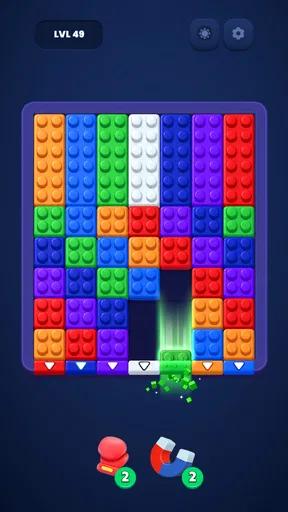
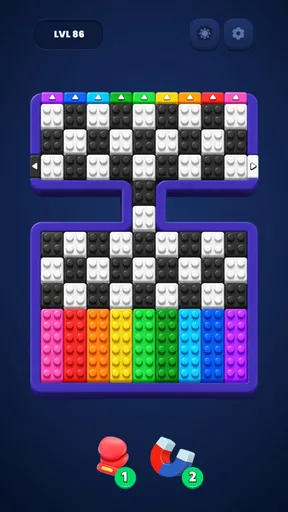
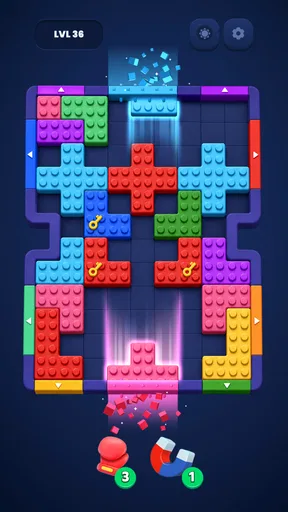
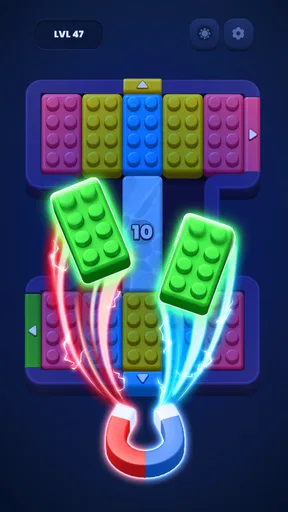
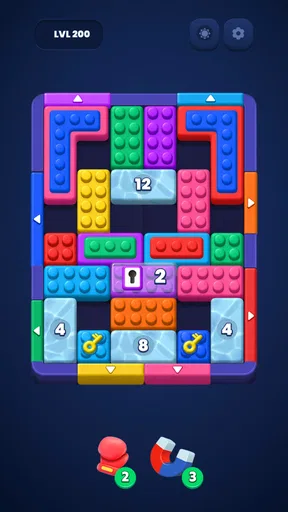
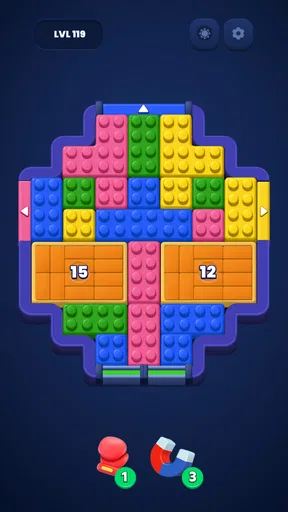
 Analysis by AppCompare
I went into Block Buster - No Timer expecting a simple way to fill a few spare minutes, and that is exactly where this colorful puzzle game makes the best impression. It is a free Android title from Lion Studios Plus, built around arranging and clearing blocks rather than racing against a clock. The basic idea is easy to understand, but the better question is whether its particular style suits the way you like to play puzzle games.
My answer is fairly clear: this is a good choice if you want a relaxed block puzzle with room to think, especially during short breaks or quiet evenings. It is less convincing for players who need a deep campaign, a strong story, competitive pressure, or a constantly changing set of rules. I found its appeal in the small decisions between moves, not in spectacle. You place pieces, look for useful lines, and try to keep enough open space to avoid turning the board into a dead end.
How I judged the game before recommending it
For a puzzle game like this, I do not judge it only by whether the first few rounds are pleasant. I look at how clearly the board communicates what is possible, whether the lack of a timer actually improves the experience, and how much thought remains after the opening moves become familiar. I also consider where it fits in a person’s routine. A game that works well for a five-minute wait may not be the same game I would recommend for a long weekend session.
The no-timer approach is the most important part of that decision. It changes the mood from quick reaction to planning. I can pause over a piece, check several possible placements, and decide whether a line should be cleared immediately or left open for a more useful shape. That makes the game friendlier to people who dislike countdowns, but it also removes the urgency that gives many block puzzles their energy.
I also paid attention to how much mental effort the board asks for. The game is not difficult to understand, yet a clean board can become awkward surprisingly quickly if I use the largest open area without considering what might follow. That creates a gentle form of strategy: the current piece matters, but preserving flexible spaces matters more. I found that distinction useful because it gives the game more substance than simply dropping blocks wherever they fit.
On the practical side, the title is free to download and is suitable for Everyone. It runs on Android devices using version 6.0 or later, while the current release is version 1.8.0. Those details make it accessible to a broad range of Android users, including people who are not using a recent phone. Its store presence also suggests an established audience, with an average rating of 4.4 from around 21 thousand ratings and more than 500 thousand installs.
The board rewards space management more than speed
My most useful adjustment was to stop treating every available gap as a target. A tempting placement can remove a line now while making the remaining board much harder to manage. I started asking a different question: after this move, how many useful shapes can still fit? That small change improved my decisions more than trying to play quickly ever did.
Worth Reading Before You Choose

EA SPORTS FC Mobile 26 Is a Bigger Football Game, but It Takes Time

Flipboard Shows What News Apps Must Do Beyond the Feed

Switching to Android Auto Means Rethinking Your Driving Routine

Google Calendar Makes a Crowded Week Easier to Manage

Ludo King Makes the Most of the Minutes Between Plans

Baby Panda World Brings Quick Play to Modern Phones, but Its Game Library Feels Busy
This is one of the game’s quiet strengths. Without a timer pushing me forward, I can use the board as a planning exercise. I try to preserve broad empty areas, avoid building tall isolated stacks, and delay a clearing move when doing so keeps several future options open. These are not complicated rules, but they make the difference between a careless session and one that feels deliberate.
Another practical tip is to look at the board as a collection of future landing zones rather than a collection of individual holes. A single empty square may be difficult to use, while a connected open region can accept several different pieces. When I began protecting connected spaces, I lasted longer and felt less dependent on receiving a convenient shape.
That approach also explains why the game can be relaxing without becoming completely mindless. The colorful presentation keeps the experience approachable, but the real satisfaction comes from recognizing a good placement before committing to it. I would not call the strategy profound, yet it is enough to make repeated sessions feel intentional.
Why the no-timer format works for everyday play
I can see myself opening this during a commute while waiting for an appointment, although I would be more comfortable using it when I do not need to respond to messages immediately. Since the design does not demand rapid decisions, it is easy to put the phone down after a move and return later. That makes it a better fit for interrupted attention than a timed puzzle where a short distraction can ruin a run.
It also suits players who find countdowns stressful. Some puzzle games turn every decision into a reaction test, and that is enjoyable only when I am in the mood for pressure. Here, I can think through a poor-looking board instead of feeling that the clock is the main opponent. For someone using a game to unwind before bed or during a quiet break, that calmer rhythm is a meaningful advantage.
There is a trade-off, though. Without time pressure, I sometimes caught myself overthinking placements that did not deserve so much attention. The game gives me room to plan, but it does not force me to keep moving. If you enjoy the satisfaction of making fast chains or beating your previous speed, this format may feel too gentle.
Where this block puzzle wins over familiar alternatives
Its clearest advantage is focus. The game does not need a story, character collection, or elaborate setting to explain what I should do. I can start playing almost immediately, and the central activity remains easy to follow even when I return after a break. That simplicity is useful for casual players who want a puzzle rather than a second job built around daily tasks.
Compared with match-style puzzle games, the appeal is more spatial than pattern-based. I am not mainly scanning for identical colors or waiting for a chain reaction. I am managing room, shape, and timing. That makes each decision feel more like arranging a small workspace. If you enjoy fitting pieces together and thinking several moves ahead, this is likely to feel more satisfying than a game based mostly on quick matching.
It also has a different mood from falling-block games. The absence of a timer gives me control over the pace, so I can study the board instead of reacting to pieces that are becoming harder to manage. Players who enjoy classic falling-block tension may miss that pressure, but people who prefer a measured puzzle will appreciate not having to rush.
The colorful presentation helps the game remain welcoming. I would be comfortable handing it to a family member who does not usually play mobile games because the objective is understandable without a long tutorial. The Everyone rating reinforces that broad accessibility, although adults looking for a demanding logic challenge should keep their expectations realistic. The game is approachable first and demanding second.
Small decisions that make longer sessions better
I found three habits especially useful. First, I avoid filling the center too early when doing so divides the board into awkward pockets. A central placement can look efficient but may reduce the number of ways to use later pieces. Second, I try not to create narrow channels unless I already have a reason to keep them. Narrow spaces are harder to rescue than broad ones.
Third, I treat a line-clearing opportunity as a resource rather than an automatic reward. Clearing immediately feels good, but sometimes leaving a nearly complete line gives me a stable structure while I prepare a better placement elsewhere. This is a subtle trade-off: a clear board is not always a healthy board if the remaining empty spaces are disconnected.
These habits are useful because they turn an apparently simple game into a personal planning exercise. They also give beginners a way to improve without memorizing complicated systems. I would suggest playing a few rounds while deliberately prioritizing open space, then trying a more aggressive approach. The contrast makes it easier to see which style feels natural.
The game is also a reasonable choice for people who want a puzzle that can be played in short bursts without requiring a fixed session length. I can stop after a single placement or continue when the board is still interesting. That flexibility is more valuable than it sounds, especially on a phone where interruptions are normal.
Where another type of puzzle game may fit better
I would not recommend this as the first choice for someone who wants a narrative adventure. The game’s appeal comes from the board and the act of solving it, not from characters, exploration, or an unfolding plot. A story-driven puzzle title would be a better match if you need a reason to keep playing beyond improving your next board.
It may also disappoint players who want a strong competitive structure. The no-timer design favors personal concentration over head-to-head excitement. If your ideal puzzle session involves chasing a leaderboard, racing another player, or reacting under pressure, a timed or competitive alternative will probably provide more energy.
Players who prefer constant novelty should think carefully before installing it. The core loop is intentionally focused, and that is both its identity and its limitation. I enjoyed refining my placement decisions, but I would not expect the same kind of variety found in puzzle games that regularly introduce new mechanics, themed stages, or changing objectives.
There is another consideration for anyone sensitive to mobile monetization. The game is free, but its in-app purchase range runs from $1.99 to $199.99 per item. That does not tell me how frequently offers appear during play, so I would approach the purchase side cautiously and avoid assuming that spending is necessary for a satisfying session. For a completely distraction-free experience with no interest in optional purchases, a paid puzzle alternative may be a better personal fit.
This is also not the ideal game for a player who wants a clearly finite campaign. Its strength is repeatable board play, so the motivation comes from solving the current arrangement and improving your judgment. If you need chapters, an ending, or a steadily unfolding set of goals, choose a puzzle game designed around progression instead.
What to expect before moving from another puzzle game
If you are switching from a match-three title, the biggest adjustment is that clearing a line is not the whole point. You need to think about the empty board left behind. If you are switching from a timed block game, the adjustment is almost the opposite: you have more control, but you must create your own pace and discipline.
I would give yourself a few sessions before deciding whether the format feels too slow. The first rounds can seem almost effortless because the board has room to absorb mistakes. The more interesting decisions appear when you begin protecting future options instead of simply searching for an immediate clear.
There is no need to approach it as a serious training program. I found the best results came from short, focused sessions in which I tried one idea at a time. For example, I might spend one session protecting connected spaces, then another testing whether early clears actually improved the board. That makes improvement feel practical rather than abstract.
The cost of switching is low if you already enjoy casual block puzzles, because the basic language is familiar. The larger cost is emotional: players accustomed to quick rewards may need to accept that a good move can be one that does not clear anything immediately. Once that clicks, the slower rhythm becomes easier to appreciate.
My recommendation for different kinds of players
I recommend this game to anyone who wants a colorful, free puzzle for quiet, interrupted play and prefers planning over countdowns. It is particularly suitable for beginners, casual players, and people who like spatial organization. The broad age rating and Android compatibility make it an easy title to try, while the current 1.8.0 release gives users a straightforward starting point.
I would recommend it less strongly to experienced puzzle fans who need deep systems or a clear sense of progression. They may enjoy the board-management decisions, but the focused loop could eventually feel limited. In that case, a more complex logic game or a puzzle title with structured stages would probably offer more long-term variety.
My advice is to play it with one simple goal: keep the board flexible. Do not chase every immediate clearing opportunity, and do not assume that the largest empty area is automatically the best destination. Leave yourself several kinds of landing space, especially when the board starts to look comfortably open. That is where the game’s real decision-making appears.
The best reason to choose Block Buster - No Timer is its calm, deliberate rhythm. It gives me enough room to think without burying the puzzle under complicated rules. At the same time, its simplicity means I would not present it as a universal replacement for every mobile puzzle game. It is a focused option, and its value depends on whether that focus matches your habits.
After trying it, I see it as a dependable casual game rather than a major long-term hobby. I can open it when I want a few thoughtful moves, stop without feeling rushed, and return when I have another quiet moment. That makes it easy to recommend to the right person: someone who wants a relaxed block puzzle, understands the limits of a simple repeatable loop, and would rather protect space than race a clock.
Pros
- Relaxing gameplay with no countdown pressure
- Simple controls are easy for new players to understand
- Bright block designs make the board easy to read
- Suitable for short sessions or casual offline play
- Gradual challenges can help improve spatial planning
Cons
- Some levels may feel repetitive after extended play
- Limited variety can reduce long-term replay value
- Ads may interrupt the experience between rounds
- No timer may feel too slow for players seeking fast action
- Progress can depend heavily on finding favorable block shapes
FAQs for Block Buster - No Timer
What is Block Buster - No Timer?
Block Buster - No Timer is a casual block puzzle game focused on relaxed, score-based play. You place and clear differently shaped blocks on a board, aiming to create rows or columns without running out of space. Unlike many similar puzzle games, it does not force you to make moves against a countdown, making it suitable for short sessions or slower, more thoughtful gameplay.
How do you play Block Buster - No Timer?
The main gameplay is easy to understand: choose the available block shapes and drag or place them onto the board. Completing a full horizontal or vertical line clears those blocks and creates room for new pieces. Since there is no timer, the challenge comes from planning ahead, managing limited space, and creating efficient combinations rather than reacting quickly to constantly changing time limits.
Does Block Buster - No Timer require an internet connection?
The core puzzle experience appears designed for offline-friendly play, so you can generally enjoy it without a constant internet connection. This makes the game convenient for travel, commuting, or areas with weak reception. However, features such as advertisements, analytics, updates, leaderboards, or other online services may work differently when you are offline, depending on the version installed on your device.
Is Block Buster - No Timer free to download and play?
Block Buster - No Timer can typically be downloaded without an upfront purchase, although availability and pricing may vary between the Google Play Store and Apple App Store. Free versions may include advertising or optional in-app purchases. Before installing, check the store listing for the current monetization details, permissions, supported devices, and whether any purchases are required to remove ads or unlock additional content.
Is Block Buster - No Timer suitable for children and casual players?
The simple controls and non-timed format make Block Buster - No Timer accessible to casual players and people who prefer low-pressure puzzle games. It does not depend on fast reflexes or complicated instructions, although later decisions can still become challenging. Parents should review the current store rating, advertising behavior, and in-app purchase settings before allowing younger children to play independently.


